
Authors
B
D
E
F
G
H
J
K
L
M
N
R
S
T
V
W
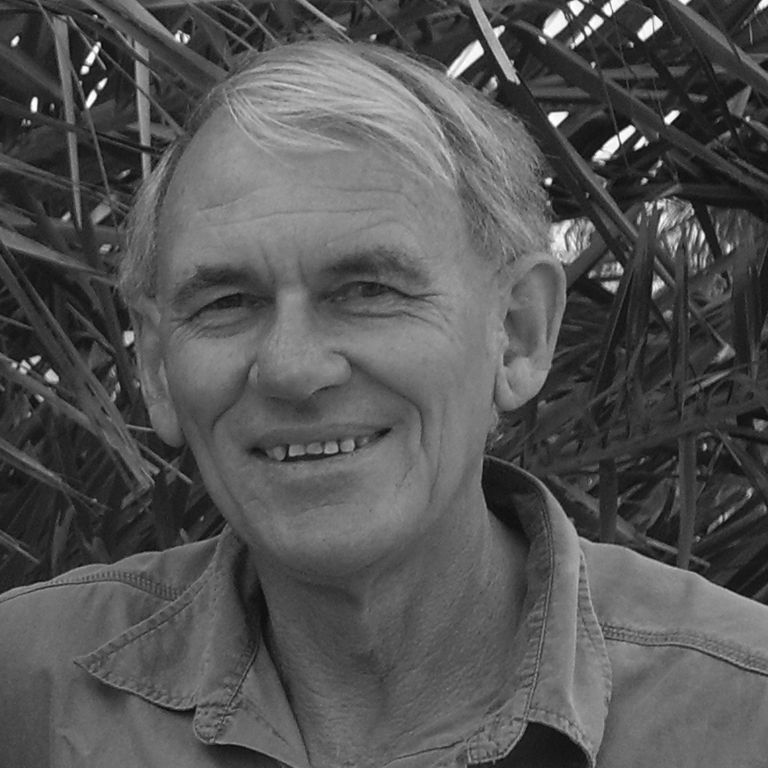 Peter Bridgeford
Peter Bridgeford started his conservation career in the Skeleton Coast Park at Ugabmond and Möwe Bay and visited Rocky Point on many occasions. After 23 years in the Namibian conservation department, the majority in the Namib-Naukluft Park, he moved to NamibRand Nature Reserve for five years, before retiring to Walvis Bay. He is actively involved in vulture conservation and bird conservation on the coast. He was also involved in tour guide training and still works as a freelance tour guide on the coast. He and his late wife Marilyn published three books about Namibian tourist destinations. He published the first book about Namibian conservation pioneers in 2018.
Books
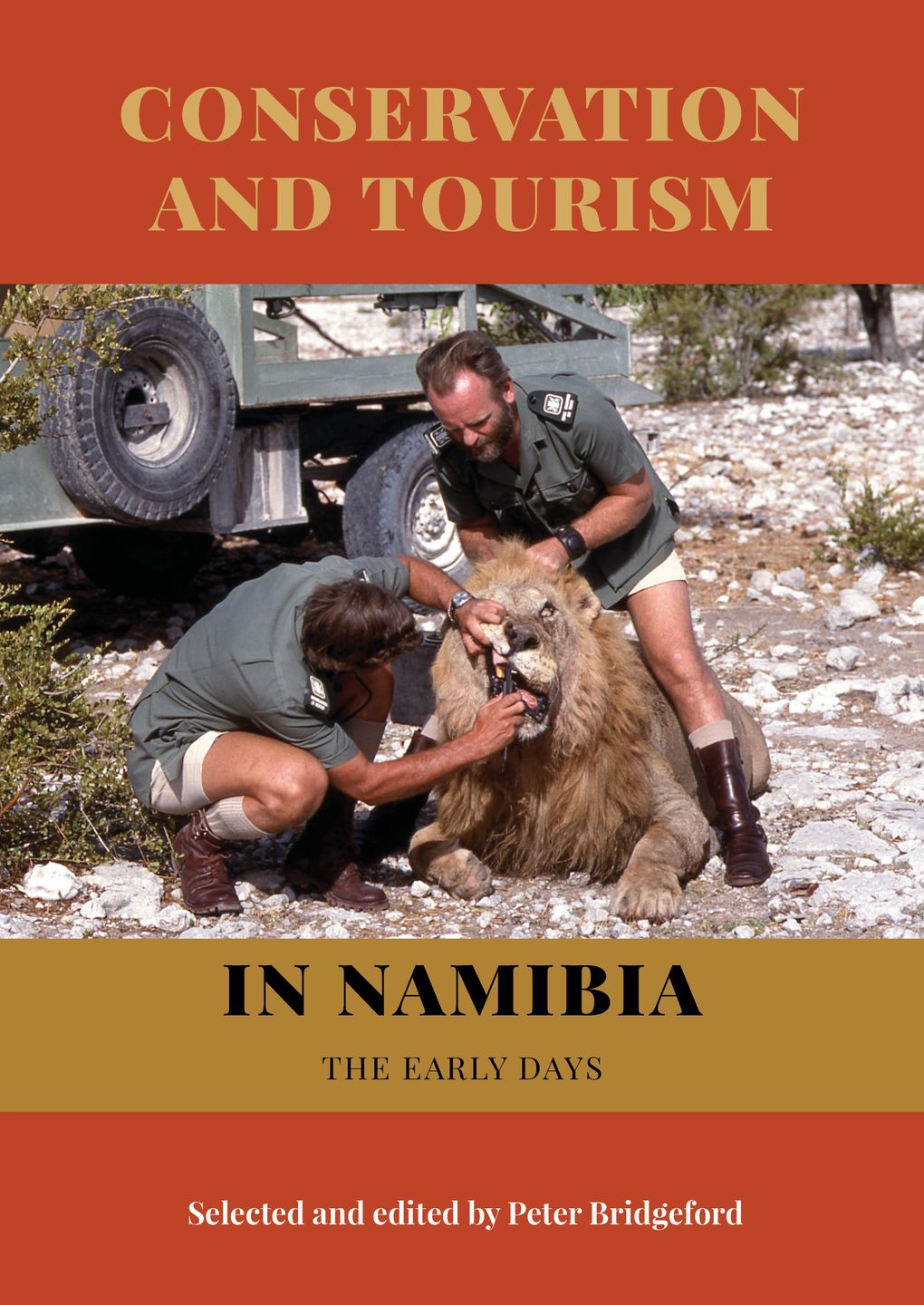 Conservation and Tourism in Namibia
The Early Days
474 p. • colour photos • 2026 • ISBN 978-99945-3-250-6 • 170 x 240 mm • Namibia Scientific Society/Kuiseb Publishers
Take a look at the history of conservation and tourism in Namibia from its early beginnings! Read stories and anecdotes from the people who helped establish nature reserves, national parks, and resorts throughout the country.
The first game warden to live in Etosha was appointed in 1952. He was Dieter Aschenborn, who was joined the following year by biologist Bernabé de la Bat, who became the first director of the Nature Conservation and Tourism Division, as it was then known. From these humble beginnings, an administration was developed that established world-class game reserves and tourism facilities in Namibia.
This book captures some of the history, adventures, and highlights of the people who started it all under difficult circumstances. Despite their limited resources, the early rangers and tourist officers were a hardy breed and developed facilities all over the country. These include Etosha National Park, the Namib Desert Park, which grew to become the Namib-Naukluft Park – the largest park in Namibia – as well as the reserves and parks in the Caprivi Region, now known as the Zambezi Region. Today, there are reserves and tourist facilities spanning the country from east to west and north to south. Swakopmund began developing tourist facilities as early as 1940, and campsites were built along the coast in the early seventies.
This book provides a behind-the-scenes look at the biographies of the men and women who helped to create these facilities from day one. Many of them are no longer with us, but we have captured some of their untold stories and gathered others from books and magazines.
If you are interested in Namibia’s history, you will enjoy these unique stories about its people and places.
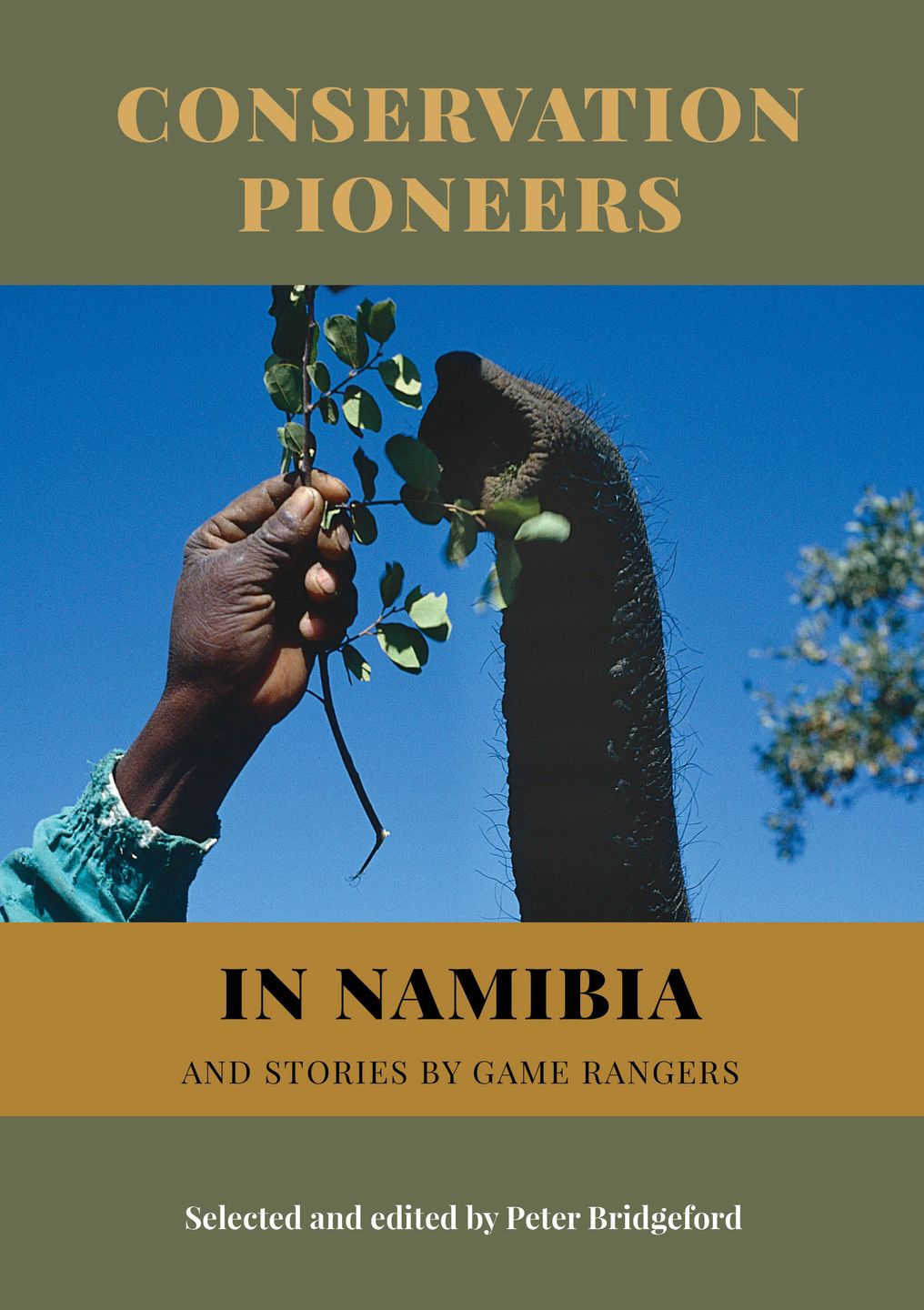 Conservation Pioneers in Namibia
and stories by game ranger
427 p. • colour photos • 2025 • ISBN 978-99945-76-99-9 • 170 x 240 mm • Namibia Scientific Society/Kuiseb Publishers
The decision taken over hundred years ago to establish conservation areas, was to have a lasting impact on the environment in what is today the Republic of Namibia. Namibia is indeed able to boast with a large percentage of its surface area that is devoted to conservation. This book of personal stories and reminiscences is about some of the many people who worked in the conservation field over the years in Namibia.
Conservation Pioneers is also a tribute to the hard work, dedication and sacrifices made by those early pioneering rangers. From 1952, all staff members were known as rangers and they filled the dual roles of rangers/tourists officers and rangers/maintenance staff. Together, they created parks and facilities of a world-class standard. We salute them!
The history of the origins of conservation in Namibia is touched on by stories and biographies of more than 55 conservationists and complemented with over 150 photographs, 6 maps, and several drawings.
This second edition come with an index.
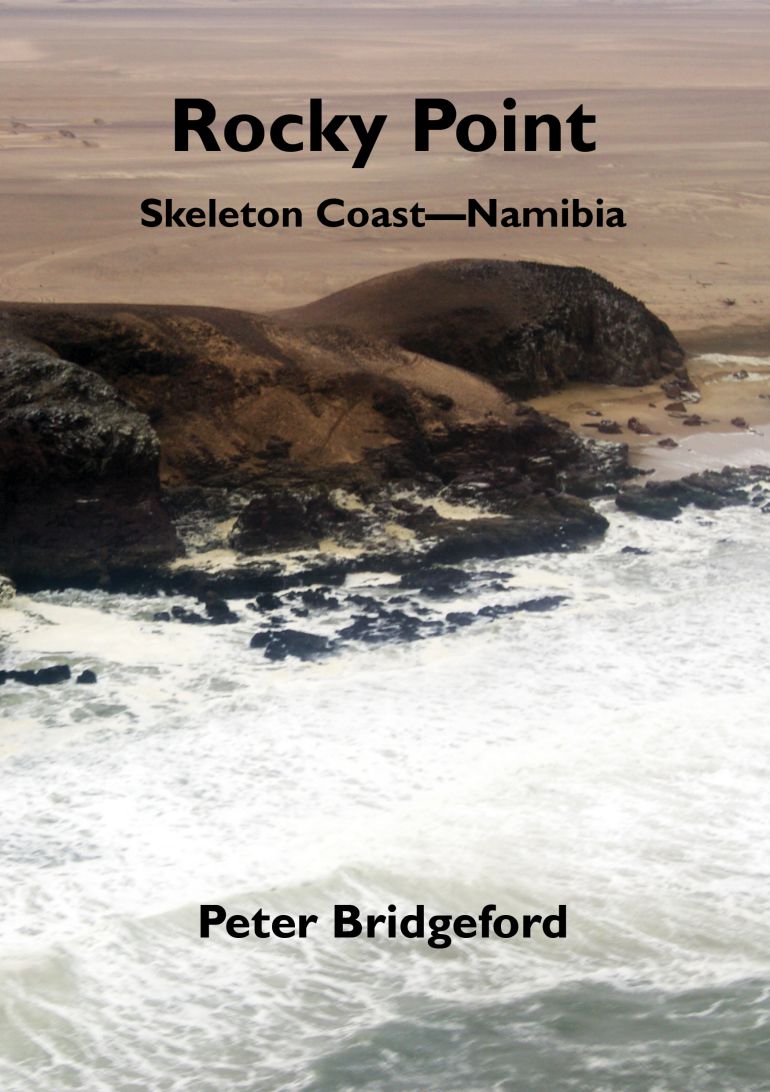 Rocky Point
Skeleton Coast—Namibia
by Peter Bridgeford
140 pages • 2022 • ISBN 978-99945-76-80-7 • 148 x 210 mm • Namibia Scientific Society/Kuiseb Publishers
Rocky Point is a small, isolated rock outcrop on the sandy Skeleton Coast of Namibia and the most prominent landmark between Möwe Bay and the Kunene River 250 km further north. It is hard to reach from overland, via the sea or by plane—a fact that has added to its mystique over the years. And yet, explorers, hunters, traders, scientists, refugees, stranded ship passengers, soldiers and even politicians have passed or visited Rocky Point during the past centuries.
The events chronicled in this book, illustrated with numerous fascinating photos, start in 1486 with the early explorations of the Portuguese. They tell us about the many adventures of hunger, thirst, despair, death, heroism, sacrifice and also joy and excitement on this wind-swept desert until today—among them the stranding of the Dunedin Star in 1942 near Rocky Point and the almost impossible rescue operation of 63 people, including 29 women and three babies; the rescue of Angolan refugees in 1975, who had fled from the civil war and crossed the Kunene River in a large convoy; and while the inaccessibility of Rocky Point often led to disaster or frustration, it was ideal for consultations, away from the prying eyes of journalists, for example, when in March 1984, Prime Minister P.W. Botha of South Africa secretly met Dr Jonas Savimbi, President of UNITA there.